Coming Home to the Body: Where Change Actually Begins
As we move toward spring, a season of renewal, it’s easy to focus on mindset shifts: reframing complaints or exploring inner imagery, but real, lasting change doesn’t live in the mind alone. It lives in the body. If February was about surviving winter, March invites us to gently wake up; physically and emotionally.
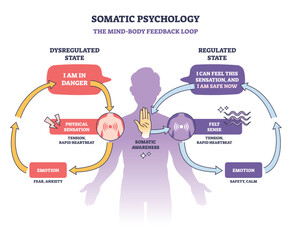
Our bodies are constantly communicating with us. Tight shoulders may signal unspoken stress. Fatigue may be asking for rest rather than another push forward. A shallow breath may reflect a nervous system stuck in fight or flight mode. When we ignore these signals, stress quietly builds, and we often default to irritability, negativity, or emotional overwhelm.
Research shows that people struggling with depressive symptoms often have lower awareness of their internal bodily signals, meaning they’re less likely to notice or trust what their body is telling them. This decreased awareness is linked with more severe symptoms and a harder time regulating emotions. Tuning into the body helps us access wisdom through sensation. When we pause long enough to notice what we’re feeling physically, we create space to respond instead of react.
In contrast, science suggests that increasing body awareness can help improve emotional regulation, reduce anxiety, and support overall mental well-being. Practices that cultivate interoceptive awareness (the ability to recognize internal body sensations) like heartbeat, breath, and tension, have been shown to mediate reductions in anxiety and depression because they help people notice stress early and respond adaptively rather than suppress it.
Even simple body-based activities like mindful movement, stretching, or walking can support mental and physical health. For example, moderate daily walking has been shown to boost mood, reduce symptoms of anxiety and depression, and improve sleep; all important for overall well-being.
When we reconnect with our body, we tap into this wisdom:
- Stress signals become invitations to care for ourselves instead of ignored whispers that escalate over time.
- Emotional regulation improves, because we notice tension early and can shift out of reactive patterns.
- Chronic stress and trauma may be eased through mindful movement and breathwork, which help calm the nervous system and reduce physiological stress responses.
Here are three simple ways to reconnect with your body this season:
- Breathe on purpose. Take 3 slow breaths, lengthening the exhale. This tells your nervous system it’s safe to soften.
- Do a 60-second body scan. Notice where you feel tension, warmth, heaviness, or ease without trying to change it.
- Move to shift your mood. A brief walk, gentle stretching, or stepping outside can reset both perspective and physiology.
Complaining keeps us in the mind. Insight helps us reflect. But embodiment helps us integrate, and that’s where real change begins. This month, instead of asking “What do I need to think differently?” try asking: “What is my body asking for?” Often, that’s where renewal truly begins.