The period after the holidays often brings a noticeable shift. The decorations come down, social gatherings slow, and daily responsibilities return with renewed intensity. Even when the holidays were enjoyable, transitioning back into routine can feel surprisingly heavy; emotionally, mentally, and physically.
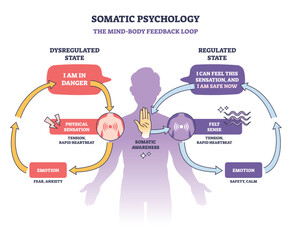
Rather than pushing yourself to immediately regain momentum, this season offers an opportunity to re-enter structure gently, with awareness and care for your nervous system.
Why Transitions Can Feel So Challenging
The holidays often disrupt our usual rhythms. Sleep schedules change, boundaries blur, and expectations increase. When routines return abruptly, the body and mind may struggle to keep pace. Common experiences during this time include:
- Feeling unmotivated or emotionally flat
- Increased anxiety or irritability
- Difficulty concentrating
- Fatigue, even with adequate rest
These responses are not signs of failure or lack of discipline; they are signals that your system is recalibrating.
Rebuilding Routine Without Overwhelm
A supportive routine doesn’t need to be rigid to be effective. In fact, flexibility and self-compassion are key to restoring balance.
Start Small and Anchor Your Day
Choose one or two consistent touchpoints such as a regular wake-up time, a morning check-in, or a predictable evening wind-down. Anchors help the nervous system feel safe and oriented, even when everything else feels in flux.
Create Gentle Structure
Rather than filling your schedule immediately, allow space between commitments. Transition time matters. Build in brief pauses between tasks to breathe, stretch, or reset your focus.
Support Your Energy, Not Just Productivity
Pay attention to when your energy naturally rises and falls. If possible, schedule more demanding tasks during higher-energy periods and reserve quieter activities for slower moments.
Acknowledge Mixed Emotions
It’s common to feel relief, sadness, gratitude, and stress all at once. Allowing these emotions to coexist, without judgment, reduces internal pressure and emotional fatigue.
Reconnect With What Grounds You
Simple grounding practices can help restore emotional steadiness:
- Brief daily walks or time outdoors
- Gentle movement or stretching
- Journaling or reflective writing
- Mindful breathing or body awareness
Consistency matters more than duration. Even a few minutes a day can be regulating.
Limit Mental Overload
The return to routine often brings an influx of emails, decisions, and responsibilities. Consider batching tasks, setting realistic expectations, and giving yourself permission to respond rather than react.
Reconnect Socially at Your Own Pace
After intense social periods, it’s okay to ease back into connection. Choose interactions that feel nourishing rather than obligatory.
Revisit Boundaries
Transitions are an ideal time to notice what felt draining or unsustainable before the holidays. Small boundary adjustments around time, energy, or availability can significantly improve emotional well-being.
Practice Self-Compassion
If motivation is slow to return, remind yourself that adjustment takes time. Speaking to yourself with kindness supports emotional regulation and reduces stress.
Moving Forward With Intention
The start of a new year does not require immediate transformation. What it does offer is a chance to rebuild rhythms that feel supportive, sustainable, and aligned with your needs.
By approaching the return to routine with gentleness, awareness, and care, you create a foundation for steadier energy, clearer thinking, and emotional balance one small step at a time.