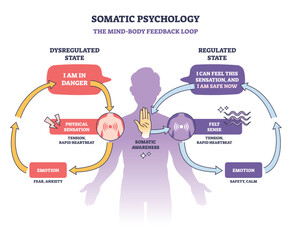
When we think about nutrition, most of us focus on what we eat—but paying attention to how our body feels while eating can be just as important. This inner awareness, called interoception, is our ability to notice and interpret signals from within the body, such as hunger, fullness, thirst, or digestive comfort. Strengthening interoceptive skills can be a powerful tool in supporting both nutritional healing and mental well-being.
Many mental health challenges—such as anxiety, depression, or chronic stress—can disrupt appetite, digestion, and energy balance. On the flip side, poor nutrition can amplify emotional struggles, creating a cycle that feels hard to break. Interoception offers a way forward by helping us reconnect body and mind.
For example, practicing mindful eating and tuning into hunger or fullness cues can reduce emotional or stress-based eating. Noticing how certain foods affect mood, digestion, or energy helps people make more nourishing choices that support both physical and mental resilience. Over time, this body-awareness can guide healthier eating patterns, restore trust in internal signals, and even reduce reliance on external diet rules.
In short, interoception is like an internal compass: the more clearly we can read it, the more easily we can align our nutrition with both physical and emotional needs. By slowing down, noticing body cues, and responding with curiosity, we create space for genuine healing at the intersection of diet and mental health.
Tips to Practice Interoception With Eating
- Pause before meals: Check in with your body and rate your hunger on a scale of 1–10 before you start eating.
- Eat slowly: Notice textures, flavors, and how your stomach feels as the meal progresses.
- Mid-meal check-in: Halfway through, pause and ask: “Am I still hungry, comfortably satisfied, or already full?”
- Notice energy and mood shifts: Pay attention to how you feel 30–60 minutes after eating. Do certain foods leave you energized or sluggish, calm or jittery?
- Respond with curiosity, not judgment: Treat your body’s signals as information rather than rules.