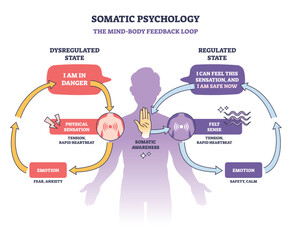
During the holidays, and winter months in particular, our adrenals work overtime. The adrenal response system (“adrenals”) is one of the systems most impacted by chronic stress. When this system is overworked and under‑supported, the effects can ripple through our mental, emotional, and physical health.
Why Adrenal Balance Matters
The adrenal glands play a key role in helping the body respond to stress by regulating hormones such as cortisol and adrenaline. These hormones influence:
- Energy levels: determining whether we feel steady and resilient or depleted and fatigued
- Mood and emotional regulation: affecting anxiety, irritability, overwhelm, and resilience
- Blood sugar balance: helping keep glucose stable between meals
When we do not have adequate rest, nourishment, and recovery, the stress is ongoing and the adrenal response system can become dysregulated. This may show up as feeling “wired but tired,” experiencing energy crashes, mood swings, increased anxiety, or difficulty managing stress that once felt manageable.
Blood sugar instability often accompanies this pattern. Frequent spikes and drops in blood sugar place additional demand on the adrenal response system, creating a cycle of fatigue, cravings, irritability, and low energy.
Stress, Minerals, and Depletion
A lesser‑known piece of this puzzle is mineral balance. During periods of chronic stress, the body uses higher amounts of key minerals; particularly magnesium, sodium, potassium, and zinc, to support nerve signaling, hormone regulation, and blood sugar control. Certain foods and habits can accelerate this mineral loss, placing even more strain on the adrenal system.
Four Foods That Can Drain Adrenal Reserves
While no single food is inherently “bad,” frequent consumption of the following can contribute to mineral depletion and adrenal stress, especially during high‑stress periods:
- Caffeine (coffee, energy drinks, excessive tea)
Caffeine stimulates the stress response, encouraging the release of cortisol and adrenaline. Over time, this can overtax the adrenal system and increase magnesium and B‑vitamin depletion, often leading to jitters, anxiety, and energy crashes later in the day. - Refined Sugar and Highly Processed Carbohydrates
Sugary foods and refined carbs cause rapid blood sugar spikes followed by sharp drops. Each drop signals the adrenal response system to intervene, increasing cortisol output. Repeated cycles can strain adrenal balance and contribute to mood swings, fatigue, and cravings. - Highly Processed and Salty Snack Foods
While sodium is important for adrenal health, highly processed salty foods often lack the accompanying minerals (like potassium and magnesium) that support proper fluid and nerve balance. These foods can worsen mineral imbalance rather than restore it. - Alcohol
As a diuretic, alcohol increases fluid loss, which in turn flushes out essential minerals (magnesium, potassium and zinc) that are needed for detoxification and adrenal protections. It also places added stress on blood sugar regulation and the nervous system, prompting greater cortisol demand.
Supporting Healthy Adrenal Function
The good news is that adrenal balance is highly responsive to supportive lifestyle changes. Small, consistent shifts can make a meaningful difference.
- Stabilize Blood Sugar
Eat regular meals that include protein, healthy fats, and complex carbohydrates. This reduces the need for cortisol to step in and stabilize blood sugar between meals. - Replenish Minerals
Focus on whole, mineral‑rich foods such as leafy greens, nuts, seeds, legumes, root vegetables, and high‑quality sea salt used mindfully. Hydration with mineral‑rich fluids can also be supportive. - Rethink Stimulants
If caffeine is part of your routine, consider reducing intake or consuming it with food rather than on an empty stomach. Some people benefit from switching to gentler alternatives or taking breaks during periods of high stress. - Prioritize Rest and Recovery
Adequate sleep, nervous system regulation, and intentional pauses throughout the day allow the adrenal response system to reset. Practices such as deep breathing, gentle movement, time in nature, and mindfulness can all help lower stress hormone output. - Support Emotional Well‑Being
Chronic emotional stress places just as much demand on the adrenal system as physical stress. Counseling, boundary‑setting, and supportive relationships play a vital role in restoring balance and resilience.
A Holistic Perspective
Rather than viewing adrenal health as something to “fix,” it’s more helpful to see it as a reflection of how supported, or strained, the body and nervous system have been over time. By nourishing ourselves with balanced meals, reducing unnecessary stressors, and restoring minerals and rest, we support not only our energy levels, but also our emotional stability, mental clarity, and overall sense of well‑being.
Gentle, consistent care goes a long way in helping the body move back toward balance.